$2.5 million, a naturally aspirated V8, rear-wheel drive, a real six-speed manual, a physical key, and no screens: that is the Hennessey Blackbird’s entire argument in hardware.
Reported details from Carscoops, CarBuzz, and Motor1 all point the same direction. The Blackbird is being framed as an anti-Venom F5: no turbos, no hybrid layer, no touchscreen-first cockpit, and a gated shifter in the center of the car. CarBuzz describes it as the Venom F5 successor that is “nothing like the car it replaces,” while Motor1’s summary is even more blunt: “No turbos, no hybrid, and no screens.”
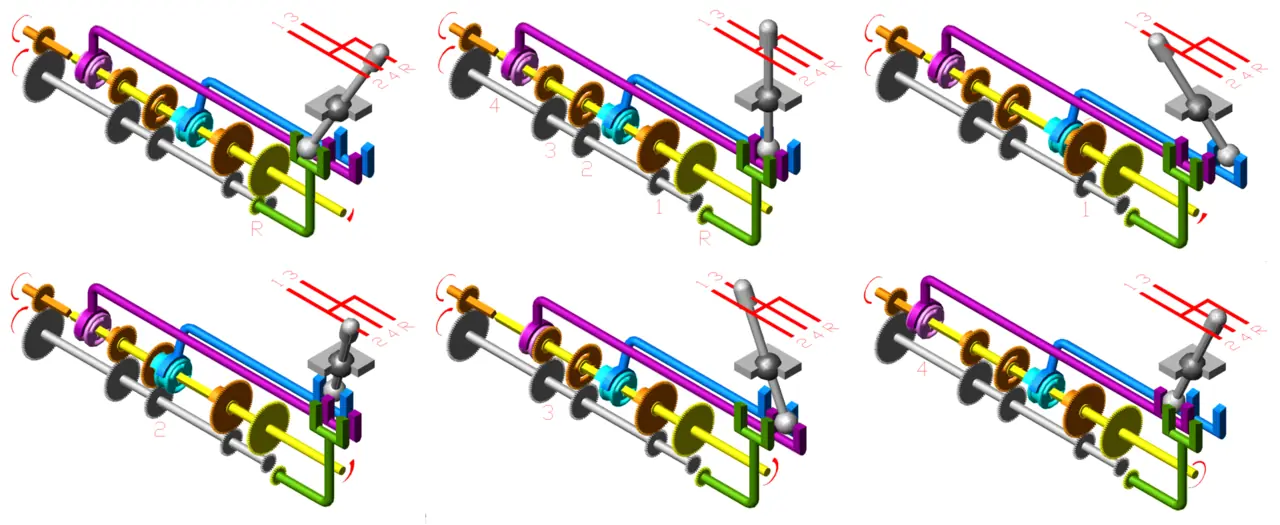
Field Signal read: the gated manual is not a retro accessory here. It is the control stack. Hennessey is choosing a slower, messier, more human interface on purpose because the modern hypercar category has become brutally competent and emotionally abstract. Once everyone can sell absurd acceleration, carbon bodywork, launch-control violence, and a digital cockpit, the differentiator becomes what the car refuses to mediate.
That refusal has consequences. A turbocharged or hybrid hypercar can hide a lot behind torque fill, boost control, traction logic, and drive-mode theater. A naturally aspirated, rear-drive manual car cannot. The calibration burden moves to throttle response, clutch take-up, shifter feel, pedal spacing, steering load, brake modulation, and the way the engine builds torque without forced-induction masking. If those pieces are wrong, the car has nowhere to hide.
This is the useful part for builders: deleting the screen does not make the product simpler. It makes the physical interface more expensive to get right. A manual gate is a promise that every shift will be judged. A physical key is a ritual, but also a design decision that says the car’s start sequence matters. Mechanical switchgear has to feel durable, deliberate, and expensive because it cannot be patched into charm later.
That is the difference between analog as a costume and analog as an architecture. A manual shifter bolted into a numb, over-assisted, software-soaked car is merchandising. A manual transmission paired with naturally aspirated response, rear-drive balance, and a cockpit without screens is a full-system constraint. It forces the engineering team to make the driver’s hands, feet, and ears the feedback loop.
The money explains why Hennessey can make that bet. At $2.5 million, the Blackbird is not chasing broad-market convenience or daily-driver feature parity. It is selling scarcity and sensation to buyers who already know speed is easy to buy. That buyer does not need another giant central display to prove the car is modern. They need the car to feel impossible to replicate once regulations, supplier catalogs, and software roadmaps push everyone else toward the same interface.
There is still a risk. The analog-supercar pitch has become a crowded piece of enthusiast language, and a physical key does not automatically make a car great. The Blackbird has to deliver the boring hard stuff: consistent shift quality under heat, a naturally aspirated engine with real character, steering that tells the truth, brakes that do not turn the road into a binary input, and enough chassis bandwidth to make rear-wheel drive feel like craft instead of theater.
But the decision is clear. Hennessey is not trying to out-screen the luxury EVs or out-compute the hybrid hypercars. It is using the Blackbird to make a rarer claim: the driver is still the most interesting processor in the car.
That is why the six-speed matters. Not because manual transmissions are old. Because in the Blackbird, the manual is the organizing principle that makes the rest of the car legible.
Why it matters
The Blackbird shows how a low-volume performance brand can differentiate without adding more software, screens, hybrid torque fill, or drive-mode complexity. The engineering risk shifts from digital features to physical feel.
Builder angle
If you build enthusiast products, the lesson is constraint discipline. A manual, screenless, naturally aspirated car only works if the whole system supports that choice: shifter, pedals, engine response, steering, brakes, cockpit ergonomics, and startup ritual all have to agree.
What to watch next
Watch whether Hennessey publishes final engine output, curb weight, production count, and customer delivery timing. Those numbers will show whether the Blackbird is a coherent analog hypercar or just a strong reveal spec.
Sources
- Carscoops Reported the Blackbird’s $2.5 million positioning, physical switches, traditional key, and zero-turbo analog framing.
- CarBuzz Reported the naturally aspirated V8, six-speed manual, rear-wheel-drive layout, gullwing doors, and contrast with the Venom F5.
- Motor1 Reported the no-turbo, no-hybrid, no-screen framing and gated manual focus.