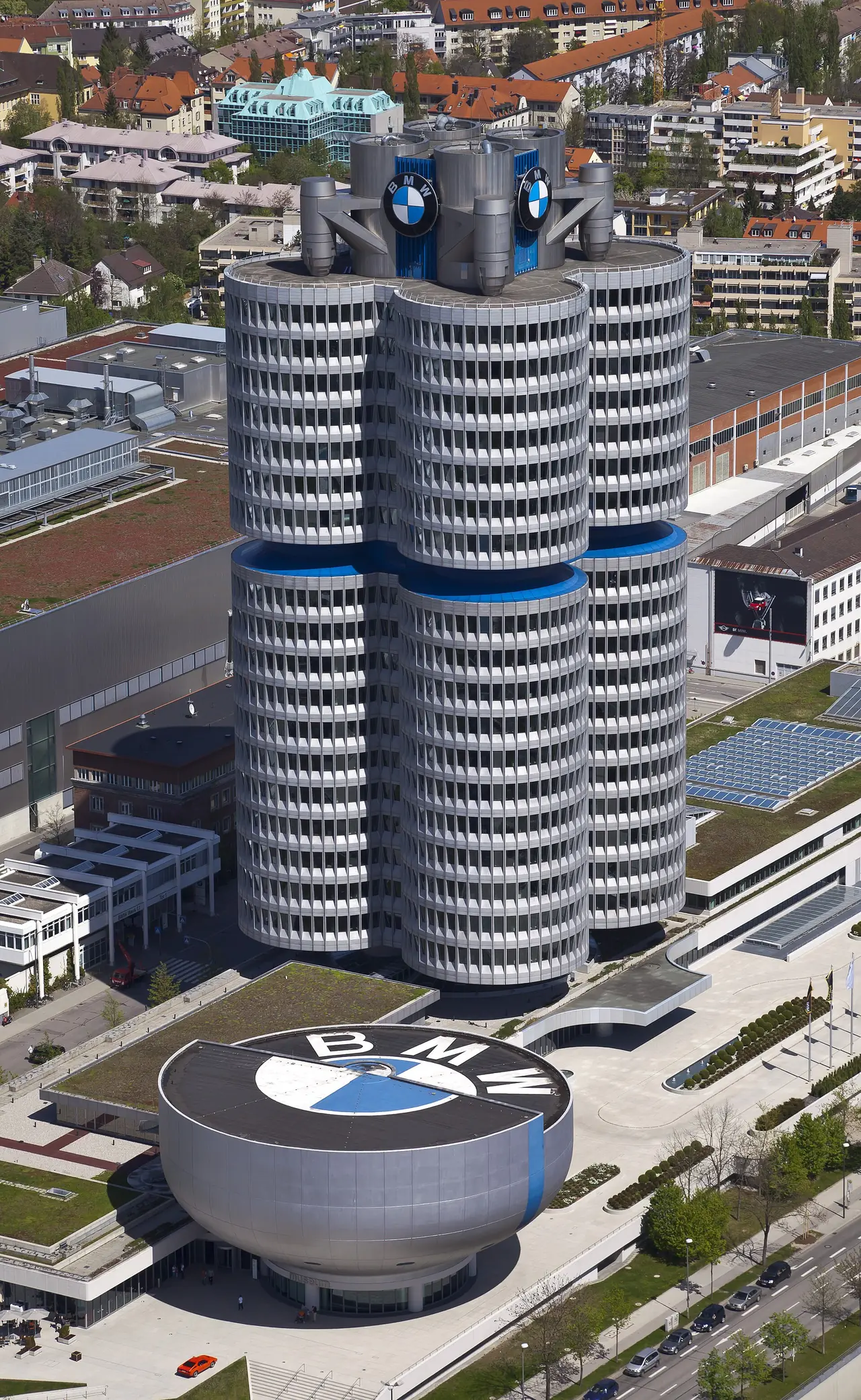
A 108.7-kWh battery and a reported 563 miles of driving range explain why the new BMW i3 will be judged against Tesla, Mercedes, Hyundai, and every other serious long-range EV sedan. But the number that matters more is Plant Munich. BMW has started series production of the i3 there, making the sedan the first major Neue Klasse manufacturing milestone at the company’s home plant, according to reports from Motor1 and Carscoops.
That changes what the i3 is. It is not just BMW’s next electric 3-Series-shaped answer to the market. It is BMW choosing to make its most important EV transition inside the factory that carries the brand’s center of gravity. Field Signal read: the i3 is a product reveal, but the strategic machine underneath is manufacturing discipline — new electric architecture, new production flow, and a plant that now has to make EV learning repeatable at BMW scale.
The sourced facts are straightforward. Motor1 reports that series production of the BMW i3 has begun at Plant Munich and frames it as the first major Neue Klasse manufacturing milestone. Carscoops reports the first version carries a 108.7-kWh battery and a 563-mile, or 906-km, driving range. Carscoops also positions the car as BMW’s Model 3 rival. Those facts give the outline: big pack, long range, central plant, new architecture.
The inference is where it gets interesting. A 108.7-kWh sedan is not chasing minimalism. It is a BMW answer to range anxiety by capacity, which usually means mass, cost, packaging pressure, and thermal-management demand. We do not yet have final curb weight, charging curve, EPA figure, motor output, or price from the briefed sources, so the driving verdict has to wait. But the engineering trade is already visible: BMW appears willing to carry a large pack if that lets the i3 arrive with a headline range number strong enough to reset expectations for a German electric sedan.
That is a different problem than building a low-volume halo EV. A halo car can hide inefficiency behind price and spectacle. A core sedan cannot. It has to be built repeatedly, serviced predictably, updated cleanly, and sold into markets where customers compare range, charging, cabin software, residual confidence, and brand feel in the same breath. That is why Munich matters. Putting Neue Klasse series production at Plant Munich forces the EV program into BMW’s operating bloodstream instead of leaving it as a side project at the edge of the company.
For builders, the factory move is the useful part. New EV platforms are not only skateboard diagrams and battery chemistry. They are parts sequencing, high-voltage safety stations, end-of-line software flashing, quality gates, supplier rhythm, battery logistics, and diagnostics that technicians can actually use after delivery. Once an EV becomes a mainstream sedan program, the feedback loop widens: assembly issues inform design changes, service data informs module access, OTA behavior has to match hardware reliability, and packaging decisions show up as warranty time.
The i3 name will pull attention because BMW already used it on a radically different electric car. Ignore the badge nostalgia for a moment. The new sedan’s real job is not to be quirky; it is to be normal at scale. Normal is harder. Normal means the car has to sit in daily traffic, fast-charge without drama, survive winter range complaints, run driver-assistance and infotainment software without dealer theater, and still feel like a BMW from the steering wheel instead of merely from the grille.
That last part is the risk. A giant battery can buy range, but it cannot buy steering texture. A new plant process can improve consistency, but it cannot guarantee the car has the transient response people expect from a compact BMW sedan. If the i3 lands heavy and numb, the 563-mile figure will read like compensation. If the chassis team makes the mass disappear well enough, the big pack becomes a useful foundation rather than an apology.
The smart read is that BMW is not only launching an EV sedan. It is moving the place where BMW sedans are made into the EV era and asking Neue Klasse to prove it can carry the brand’s core product logic: range without surrendering packaging, software without making the car disposable, and production scale without sanding off the driver connection. The 108.7-kWh pack gets the headline. Plant Munich is the tell.
Why it matters
BMW’s i3 production start turns Neue Klasse from concept language into factory reality. If Munich can build this car cleanly at scale, BMW gets a repeatable EV workflow for core models instead of a one-off electric program.
Builder angle
The important workflow is not the reveal stage; it is the loop between high-voltage assembly, software flashing, end-of-line validation, service diagnostics, and future updates. A long-range EV sedan only works if the plant and the field data improve the product after launch.
What to watch next
Watch for final curb weight, charging architecture, charging curve, EPA-rated range, motor output, software stack details, and whether BMW discloses how Neue Klasse changes serviceability versus previous EVs.
Sources
- Motor1 — BMW i3 Starts Series Production In Munich Reports the start of BMW i3 series production at Plant Munich and frames it as a major Neue Klasse manufacturing milestone.
- Carscoops — BMW Just Started Building Its Model 3 Rival, And Munich Will Never Be The Same Reports the first i3 version’s 108.7-kWh battery and 563-mile/906-km driving range figure.