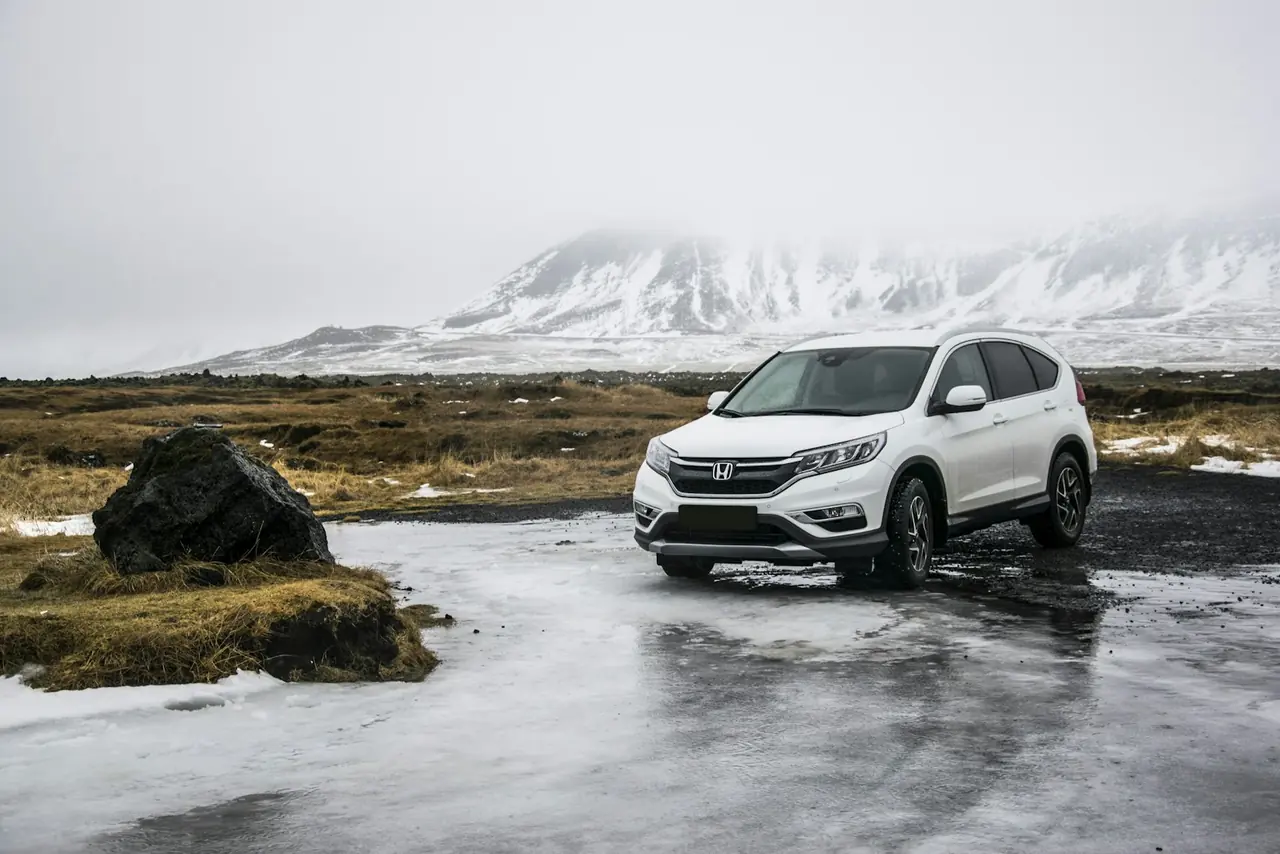
Volkswagen Group of America has filed a safety recall with NHTSA, campaign 26V630 and internal code 93EX, covering an estimated 22,524 ID.4 electric SUVs from model years 2023 through 2026. The filing identifies the affected component as the high-voltage traction battery and says the battery may fail and lead to a vehicle fire. Until a repair is available, Volkswagen is advising affected owners to limit the vehicle's maximum charge to 80 per cent. The figures in this article were published in recall documents and reporting dated 12 and 13 October 2026.
The recall does not apply to every ID.4 from the listed model years. NHTSA's filing identifies a production range from 1 January 2023 to 1 February 2025, and the affected population is defined by VIN and production details rather than by the model year on a registration document. The 22,524 figure is an estimate of vehicles potentially affected, not a count of confirmed failures. According to EVwire's reading of the recall report, Volkswagen estimates that only about 0.1 per cent of the recalled vehicles actually carry the defect, which works out to roughly two dozen cars. The automaker narrowed the population using assembly, battery traceability, supplier and charging records, excluding ID.4s with cells produced outside the suspect range or with recent charging data below its threshold.
The supplier angle matters for context. The affected high-voltage batteries were supplied by Georgia-based SK Battery America, according to Volkswagen's safety recall report as summarised by EVwire. Volkswagen has not pinned down a root cause. Its Part 573 filing states that the root cause is unknown, but that in certain high-voltage batteries within the affected population, certain charging profiles combined with a state of charge over 80 per cent may trigger thermal propagation, where heat from a failing cell spreads to surrounding cells and may result in a vehicle fire. That mechanism explains why the interim advice targets the charge level rather than the hardware.
The investigation behind the recall ran for months. EVwire reports that Volkswagen's Product Safety Committee ordered a field study in June 2026 after early data pointed to a possible link between battery thermal events, isolation-resistance values and DC charging ratios. The committee reviewed the results on 21 September 2026 and decided on a voluntary recall two days later. Volkswagen identified 22 claims from US customers between 18 January 2024 and 7 August 2026. This is not the first ID.4 battery recall either: NHTSA campaign 26V030, filed in January 2026, covers certain 2023 to 2025 vehicles where the battery may overheat, and campaign 26V028 covers certain 2023 to 2024 vehicles whose cell modules may contain misaligned electrodes. Those are separate campaigns with different populations and remedies, so completing an earlier repair does not close 93EX.
The 80 per cent limit is a temporary risk-reduction measure, not a fix. It does not repair the battery, certify the vehicle as safe, or identify an affected module. It does reduce the maximum stored charge available for a journey, so range after a full charge will be lower than before. Volkswagen has not published a universal range reduction because ID.4 versions have different battery sizes and consumption figures, and the real-world difference depends on weather, speed, tyres, load and cabin heating or cooling. Daily drivers may need to plan an extra charging stop, and long-distance drivers should not assume an 80 per cent charge delivers the motorway range a previous 100 per cent charge did. Interim measures also include warning stickers reminding owners not to charge past 80 per cent, and some connected vehicles may have their maximum state of charge capped in software depending on configuration.
Practically, owners should start with a VIN check. NHTSA.gov has had VINs covered by the recall searchable since 6 October 2026, and a VIN result is the relevant confirmation for an individual car rather than a model-year search. Interim owner letters explaining the risk and the charging limit are expected to be mailed on 27 November 2026, with further letters to follow once a remedy is ready, meaning a vehicle can remain open in the recall database after the first letter arrives. The recall is US-specific: Transport Canada published a separate alert, ID 2026469, updated 9 October 2026, covering certain 2023 to 2025 ID.4s with the same 80 per cent advice. European owners should not import the US recommendation without checking their local Volkswagen record, since European cars may use a different battery supplier, production site or specification. If a driver notices smoke, a burning smell or unusual battery warnings, the vehicle should be stopped in a safe location and Volkswagen or emergency services contacted. Recall repairs are normally carried out without charge when the campaign applies.
Why it matters
A battery fire risk recall touching four model years of one of the best-selling electric SUVs in the US is significant on its own, but the charging-profile link makes it relevant to every EV owner who fast-charges to 100 per cent. It also shows how traceability data now lets automakers narrow recalls to a fraction of a production run.
Builder angle
If you build charging infrastructure or fleet software, note that some affected ID.4s will have their maximum state of charge capped remotely depending on connectivity, while others rely on stickers and owner behaviour. Charging networks and telematics platforms may need to surface per-vehicle charge limits, and DC charging ratios were part of Volkswagen's own investigation data. Anyone reselling used ID.4s should verify recall status by VIN rather than trusting a seller's word, since coverage is defined by production range and cell traceability, not model year.
What to watch next
Whether Volkswagen identifies a root cause and what the final remedy involves, since the Part 573 filing says the cause is still unknown The 27 November 2026 interim owner letters and any follow-up letters announcing the repair How the 80 per cent cap affects real-world ID.4 range in independent testing Whether Transport Canada's campaign 2026469 or any European market notice expands to additional vehicles
Sources
- carboratory.com Source checked 2026-10-14
- evwire.com Source checked 2026-10-14