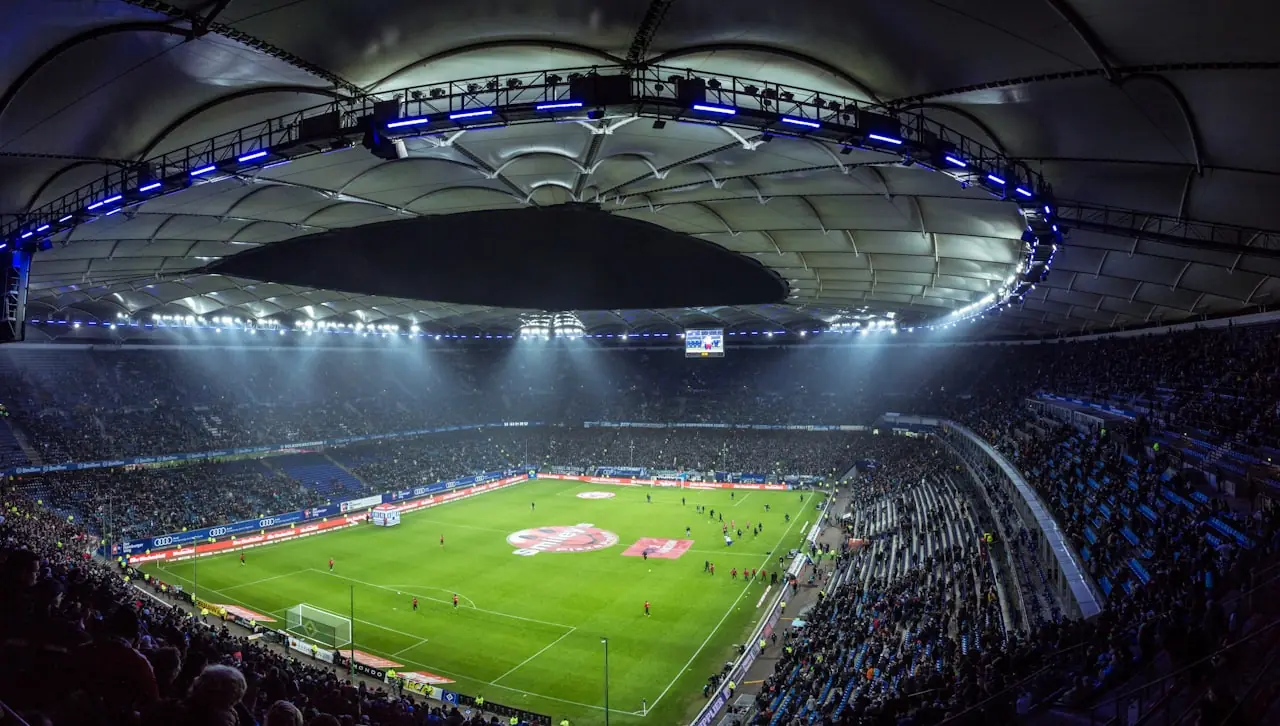
The Scottish Professional Football League has issued a tender document that invites broadcasters to bid for live rights to every match in the Scottish Premiership. This move marks the first significant step by a UK domestic league to challenge the long standing Saturday afternoon broadcast blackout. The tender covers the next rights cycle which is scheduled to run from the 2029-30 season through to 2032-33. By including matches that kick off at 3pm on Saturdays the SPFL is testing the market for a future where these games are no longer restricted from live television coverage.
Currently UK broadcasters are prohibited from showing live football between 2.45pm and 5.15pm on Saturdays. This restriction is enforced under Article 48 of UEFA statutes which allows national associations to designate blocked hours. The UK is the last country in Europe to invoke this rule. The restriction applies when 50 percent of games in the top two divisions take place during that period. Exceptions exist for FA Cup weekends and certain bank holidays but the general rule prevents domestic league matches from being televised during this window.
The SPFL tender gives bidders the flexibility to submit offers based on the assumption that the blocked hours will not be in place. Sources familiar with the process indicate that it is increasingly unlikely that the four British Football Associations will continue to apply these restrictions after 2029. The Scottish FA the FA and the Irish FA are responsible for applying Article 48 but they are guided by the wishes of the clubs. The growing confidence within league and broadcast circles suggests that the associations may align with the commercial interests of the leagues.
Under the current system UK broadcasters can show up to 270 Premier League matches and 1,059 EFL games. In Scotland Sky Sports and Premier Sports can combine to screen 82 Premiership matches each campaign. This amounts to approximately 35 percent of the total fixtures across the season. The disparity in coverage has been highlighted during tight title races where fans have been unable to watch significant fixtures live. The new tender aims to address this by potentially allowing a single broadcaster to acquire rights to every match.
The Premier League and the English Football League are also expected to coordinate a move to end the blackout. Premier League chief executive Richard Masters stated in August that the subject was a live discussion. He indicated that a decision on whether Article 48 should remain would be made before the next set of domestic rights processes. This suggests that the SPFL move is part of a broader UK wide strategy to increase revenue by selling more matches to broadcasters.
The financial implications of this shift are significant. The SPFL believes that selling more matches is the best way to raise revenues. A single broadcaster acquiring all rights would represent a substantial departure from the current model. However this outcome depends on the financial offers received during the tender process. Broadcasters must believe that the additional inventory justifies the investment. The SPFL has stated it will only accept such an arrangement if the offer is financially acceptable.
Removing the blackout could alter the balance between traditional Saturday afternoon attendances and the convenience of watching matches from home. The original intent of the blackout was to protect attendances at matches outside the televised elite. If the restriction is lifted leagues will need to monitor whether this leads to a decline in live attendance. The SPFL is willing to take this risk in exchange for greater commercial opportunities and increased visibility for its clubs.
The next four year broadcasting cycle will begin in the 2029-30 season. The current agreements with Sky Sports and Premier Sports run until the end of the 2028-29 campaign. This timeline provides a clear window for the associations to decide on the future of Article 48. The SPFL has signaled a more flexible approach to rights packages which could set a precedent for other UK leagues. The outcome of this tender will likely influence how the Premier League and EFL structure their own future rights deals.
Why it matters
This move could fundamentally change how UK football is consumed by allowing live coverage of all domestic matches and potentially increasing league revenues significantly.
Builder angle
Media companies and sports rights analysts should monitor the SPFL tender process as it serves as a bellwether for the future of UK football broadcasting rights and blackout policies.
What to watch next
Watch for official statements from the Scottish FA and the FA regarding their stance on Article 48 enforcement after 2029 and any formal bids submitted for the SPFL rights.
Sources
- www.theguardian.com Source checked 2026-10-30
- www.scotsman.com Source checked 2026-10-30
- www.heraldscotland.com Source checked 2026-10-30