A physical button for a safety-related function is the hardware that explains the next phase of the software-defined car.
Reported facts first: according to Electrek, China is moving to require automakers to include physical buttons for safety-related functions, pushing back on the screen-first interior trend associated most visibly with Tesla. Separately, Carscoops reports that Audi is preparing a major interior rethink with better materials, physical controls, and a more understated approach to in-car technology.
Field Signal read: this is not an anti-software turn. It is the industry admitting that the cockpit has two jobs, and only one of them belongs on a glass panel. Navigation, media, energy routing, app accounts, charging maps, driver profiles, and over-the-air feature logic can live in software. Defrost, hazards, drive-mode confirmation, mirror adjustment, basic climate recovery, and safety-critical overrides need to be findable without a loading animation, submenu, capacitive misfire, or software redesign.
The screen-only interior was sold as modernity, but the real business case was packaging. One large display reduces part count, removes switchgear tooling, gives designers a cleaner dashboard, and lets software teams rearrange functions after launch. That is useful for an operator building multiple models from one electrical architecture. It is also dangerous when the interface treats every task as equally interruptible.
A driver does not experience a cockpit as a feature list. A driver experiences it as a sequence of glances, reaches, confirmations, and corrections. If a windshield fogs, the driver needs the demist function. If a warning chime fires, the driver needs to understand whether the car is asking, intervening, or failing. If a touchscreen freezes, the car still needs a minimum viable control layer. That layer is hardware.
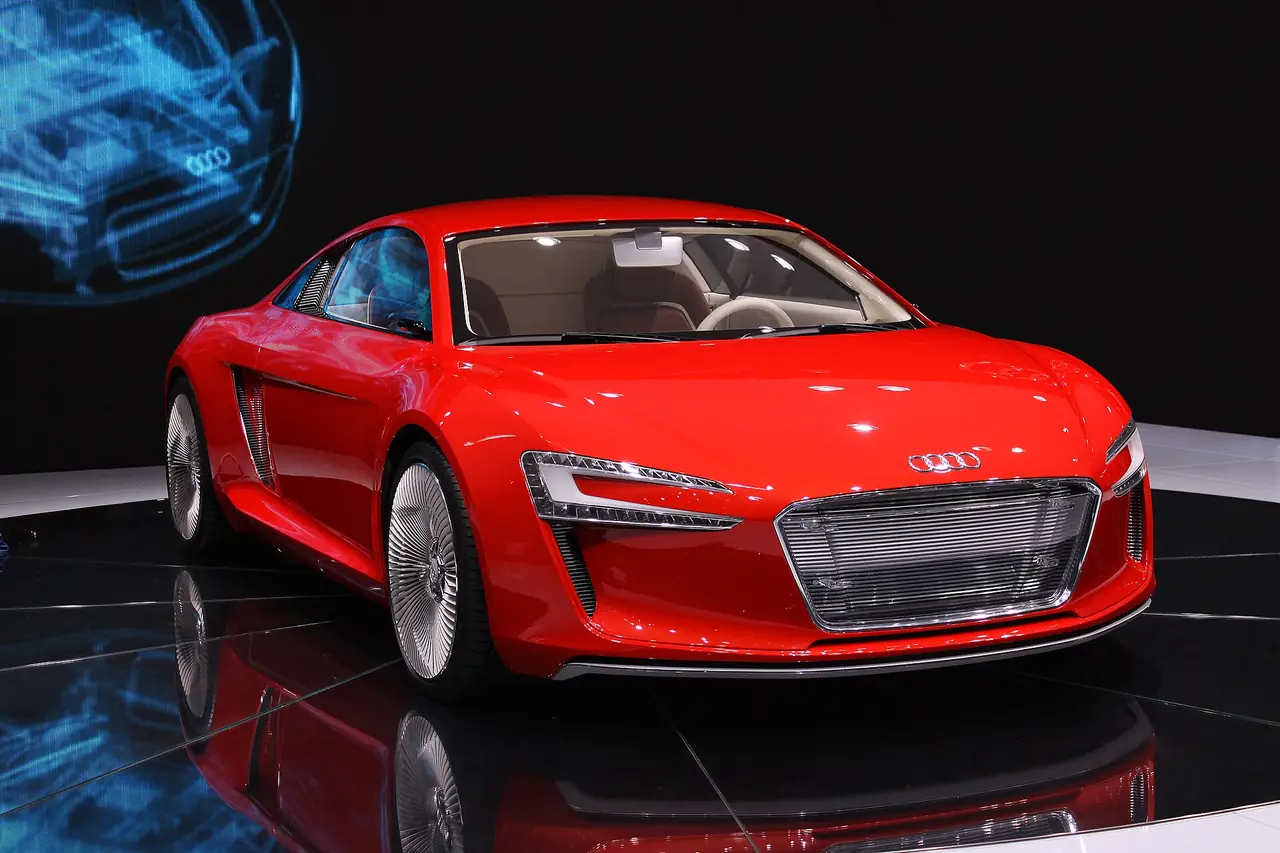
This is where Audi matters. The company’s reported move toward physical controls and a more restrained tech presentation lands differently than a one-off enthusiast complaint. Audi helped normalize the premium German cabin as a controlled environment: material hierarchy, switch feel, lighting, vent design, and instrument logic. If Audi is walking back the screen-maximal interior, the question for the rest of the industry is not whether buyers like knobs. It is which functions deserve permanent real estate because the driving task demands it.
The operator consequence is immediate. Interior teams can no longer treat physical controls as legacy clutter to be deleted late in a cost-cutting pass. They need an HMI map that separates convenience software from safety workflow. That means more decisions frozen earlier: which switches are global, which are market-specific, which are redundant to voice control, which remain active during a reboot, and which have to pass regulatory scrutiny in China or Europe.
It also changes supplier leverage. A screen is not just a display; it is a dependency chain. Put too much of the car behind it and the UX vendor, operating system, touch controller, graphics stack, and OTA pipeline become part of the safety interface. Bring back dedicated hardware for critical functions and the carmaker buys back some resilience, but pays in tooling, packaging space, wiring, illumination, sealing, validation, and design complexity.
The best version of this future is not a 2005 dashboard with a bigger phone glued to it. It is a layered cockpit: hard controls for high-urgency actions, screen controls for low-urgency configuration, voice as a shortcut rather than a dependency, and clear instrument feedback when the car changes state. That is the difference between software-defined and software-dependent.
The mistake was thinking fewer buttons automatically meant better engineering. The better test is simpler: can the driver recover the car’s basic functions under stress, in motion, with gloves on, in glare, after an update, and after the center screen has done the thing every screen eventually does?
China’s reported rulemaking and Audi’s reported redesign point at the same answer. The next smart cabin will not be the one with the fewest controls. It will be the one that knows which controls should never have become pixels.
Why it matters
The screen-only cockpit is losing its immunity. If regulators and premium brands both move toward tactile safety controls, automakers will have to design software-defined interiors around driver workflow instead of dashboard minimalism.
Builder angle
For product teams, this is an HMI architecture problem: define the safety-critical control layer first, then build the screen experience around it. The cost is more hardware and validation; the gain is resilience, usability, and fewer functions trapped behind a UI update.
What to watch next
Watch whether global models get one harmonized control layout or separate China-specific interiors. The expensive version is regional divergence; the smart version is a universal tactile safety layer with market-specific software on top.
Sources
- Electrek — China is bringing buttons back to cars, ending trend led by Tesla Reports that China will require physical buttons for safety-related vehicle functions.
- Carscoops — Audi Is Reversing Its Biggest Interior Decision Of The Decade Reports Audi is preparing an interior rethink with physical controls, better materials, and a more understated approach to in-car technology.
- InsideEVs — The EU Wants To Use Satellites To Automatically Prevent Your Car From Speeding: Report Additional context on regulators treating in-car software and control systems as active safety infrastructure.