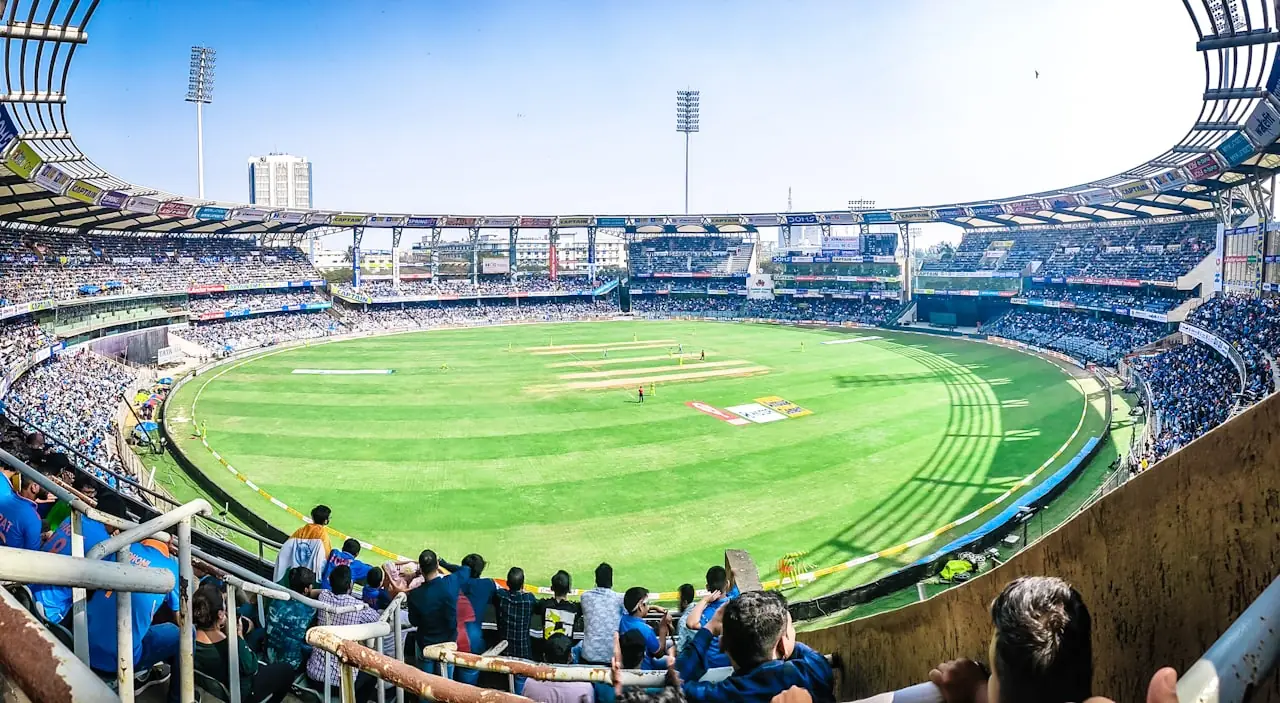
The strongest sports-AI signal in this brief is not a model launch. It is a Jaipur cricket club becoming a talent pipeline.
ESPN described Aravali Cricket Club as a Jaipur-based setup that has helped develop IPL prospects including Mukul Choudhary and Kartik Sharma. Separately, SportsPro reported that Lakshmi Mittal acquired Rajasthan Royals at a $1.65 billion valuation, with his family holding a 75% stake. Those are different stories on the surface: one is grassroots development, the other is franchise control. Together, they point to the same operating question for IPL owners: who owns the earliest useful evidence on players before the auction makes that evidence expensive?
Field Signal thesis: the next IPL scouting advantage is not “AI scouting” as a generic dashboard. It is a feeder-club operating system that turns local observation into labeled, venue-aware, decision-ready player evidence before the market prices it in.
The auction is the visible market. The edge is upstream. A franchise can buy a known player when everyone has the same broadcast clips, scorecards, and agent narrative. A better franchise builds a loop that captures repeated evidence earlier: net sessions, role changes, injury interruptions, batting position context, bowling matchups, fielding reliability, coach notes, and how a player responds when moved from club cricket to state-level pressure.
That is where AI becomes useful. Not as a black-box prospect score. As workflow infrastructure. The system ingests scout notes, video tags, match logs, training availability, role definitions, and venue context. It then helps the cricket department answer a narrower question: should this player be invited, retained, trialed in a different role, watched again in a specific condition, or priced differently at auction?
The venue layer matters because player value is not abstract. ESPNcricinfo noted Delhi Capitals’ 1-5 home record at Arun Jaitley Stadium in IPL 2026. That fact does not prove a scouting failure. It does show why franchises should stop treating player evaluation as separable from ground conditions, tactical roles, and home-match constraints. A batter who looks valuable in one phase or surface profile may be less useful if the franchise’s home venue demands a different scoring pattern, bowling mix, or fielding configuration.
This is the practical scouting loop: collect local evidence, attach context, test it against match conditions, compare it with roster needs, and feed the result back into development plans. If the player struggles, the system should not simply downgrade him. It should identify whether the miss came from role, surface, opposition type, fitness, shot selection, tactical usage, or a scouting assumption that was wrong.
For an IPL owner, that loop changes the job of the front office. The question is no longer, “Which analyst has the best model?” It is, “Which organization can create the cleanest evidence trail from grassroots development to auction decision?”
That distinction matters after a franchise acquisition. A $1.65 billion cricket asset cannot rely only on marquee signings and broadcast-era scouting. The owner needs repeatable player supply, better internal conviction, and a way to avoid confusing hype with fit. A feeder-club data layer gives the franchise more than prospects. It gives it source traces: who first saw the player, what was observed, under what conditions, how the player changed, and which assumptions were validated later.
The operator version is simple. Start with the workflow, not the algorithm. Standardize scout language. Require every report to include role, phase, surface, opposition quality, and confidence level. Tie video clips to claims. Track when a recommendation becomes a trial, contract, auction bid, or pass. Record the outcome and force the system to remember which scouts, coaches, and data signals were right for which types of players.
That last part is the moat. A model trained on public scorecards sees what everyone sees. A franchise operating system that remembers ten years of internal observations, trials, misses, and role changes sees its own decision history. It can learn which regional competitions translate, which coaches are reliable identifiers, which body types or skill packages were mispriced, and which venue assumptions keep breaking down. The AI is only valuable because the organization created proprietary feedback loops for it to learn from.
Why it matters
IPL franchise value is increasingly tied to repeatable talent supply, not just media rights and star spending. If feeder clubs become structured data sources, the scouting department becomes a compounding asset: every trial, miss, and auction decision improves the next one.
Builder angle
Build the data model around decisions: watch again, invite, trial, sign, retain, bid, pass. The product wedge is not a prospect ranking page. It is the evidence trail that connects a local scout’s note to a franchise’s auction-room conviction.
What to watch next
Watch whether IPL franchises formalize more feeder relationships with local clubs, academies, and state programs — and whether those relationships include data capture, video rights, coach reporting standards, and player-development feedback loops.
Sources
- ESPN — Aravali Cricket Club’s transformation into a Rajasthan IPL talent pipeline Source for Aravali Cricket Club’s role in developing IPL prospects including Mukul Choudhary and Kartik Sharma.
- SportsPro — Lakshmi Mittal takeover of Rajasthan Royals Source for the reported $1.65 billion Rajasthan Royals acquisition and 75% family stake.
- ESPNcricinfo — Delhi Capitals’ home venue struggles in IPL 2026 Source for Delhi Capitals’ 1-5 home record at Arun Jaitley Stadium, used as context for venue-aware evaluation.